-

-
 Free Gift on First Order - £50 Min Spend
-


Skin Ageing Isn’t About Getting Old – It’s About Your Skin Falling Out of Repair Rhythm
Topic: Ageing
Tags: skin care recommendations skin changes skin health



Most people believe skin ageing happens because our cells slow down and stop working properly.
In reality, modern skin science shows something far more hopeful:
Your skin keeps its ability to regenerate for decades.
What changes is how well the repair signals inside your skin stay coordinated.
In simple terms, ageing skin isn’t broken — it’s out of sync.
Understanding this completely changes how we approach anti-ageing skincare
How Healthy Skin Regeneration Keeps Skin Looking Youthful
Healthy young skin constantly renews itself through a perfectly timed repair cycle.
Every day your skin:
- Clears away damaged cells
- Calms inflammation
- Produces new collagen
- Renews the surface layer
- Strengthens the skin barrier
When small damage occurs from sunlight, pollution or stress, your skin responds quickly and efficiently.
Inflammation switches on briefly to clean up damage.
Repair signals activate collagen-producing cells.
New skin cells rise to the surface.
Everything settles back into balance.
This is what gives youthful skin its firmness, smooth texture and glow.
Why Skin Ageing Happens: Loss of Repair Coordination
As we age, skin cells themselves don’t stop working.
Fibroblasts can still make collagen.
Skin cells can still renew.
Repair mechanisms still exist.
What changes is communication between cells.
Instead of smooth repair cycles, ageing skin experiences:
- Slower collagen production
- Ongoing low-grade inflammation
- Faster collagen breakdown
- Reduced cell renewal
- Weaker skin barrier function
Repair happens late, incompletely, or not in the right order.
Over time this leads to wrinkles, sagging, dullness, dryness and uneven skin tone.
Skin ageing is less about damage and more about disrupted repair timing.
The Role of Inflammation in Premature Skin Ageing
One of the biggest drivers of visible ageing is chronic low-grade inflammation.
Even when skin doesn’t look red or irritated, ageing skin often remains slightly inflamed beneath the surface.
This constant inflammation:
- Breaks down collagen faster
- Interferes with repair signals
- Slows healing
- Weakens the protective barrier
When inflammation never fully switches off, skin is stuck in a half-healed state.
This accelerates lines, sensitivity and loss of firmness.
Why Night-Time Skin Repair Slows With Age
Your skin is biologically programmed to repair itself most efficiently while you sleep.
At night it focuses on:
- DNA repair
- Collagen production
- Cell renewal
- Barrier recovery
As we get older, this night-time repair rhythm weakens.
Repair signals are slower and less effective.
Damage builds up instead of being fully corrected.
This is why mature skin often feels drier, duller and less resilient in the morning.
Regenerative Skincare: A Smarter Approach to Anti-Ageing
Traditional anti-ageing skincare often focuses on exfoliating, stripping or forcing rapid turnover.
Regenerative skincare takes a different approach.
It supports the skin’s natural biology — helping restore proper repair signalling and renewal rhythms.
Rather than fighting the skin, it works with it.
How Growth Factor Skincare Supports Natural Skin Repair
Growth factors are biological messengers your skin naturally uses to trigger repair and regeneration.
In youthful skin these signals are strong and well-coordinated.
With age they become weaker and less responsive.
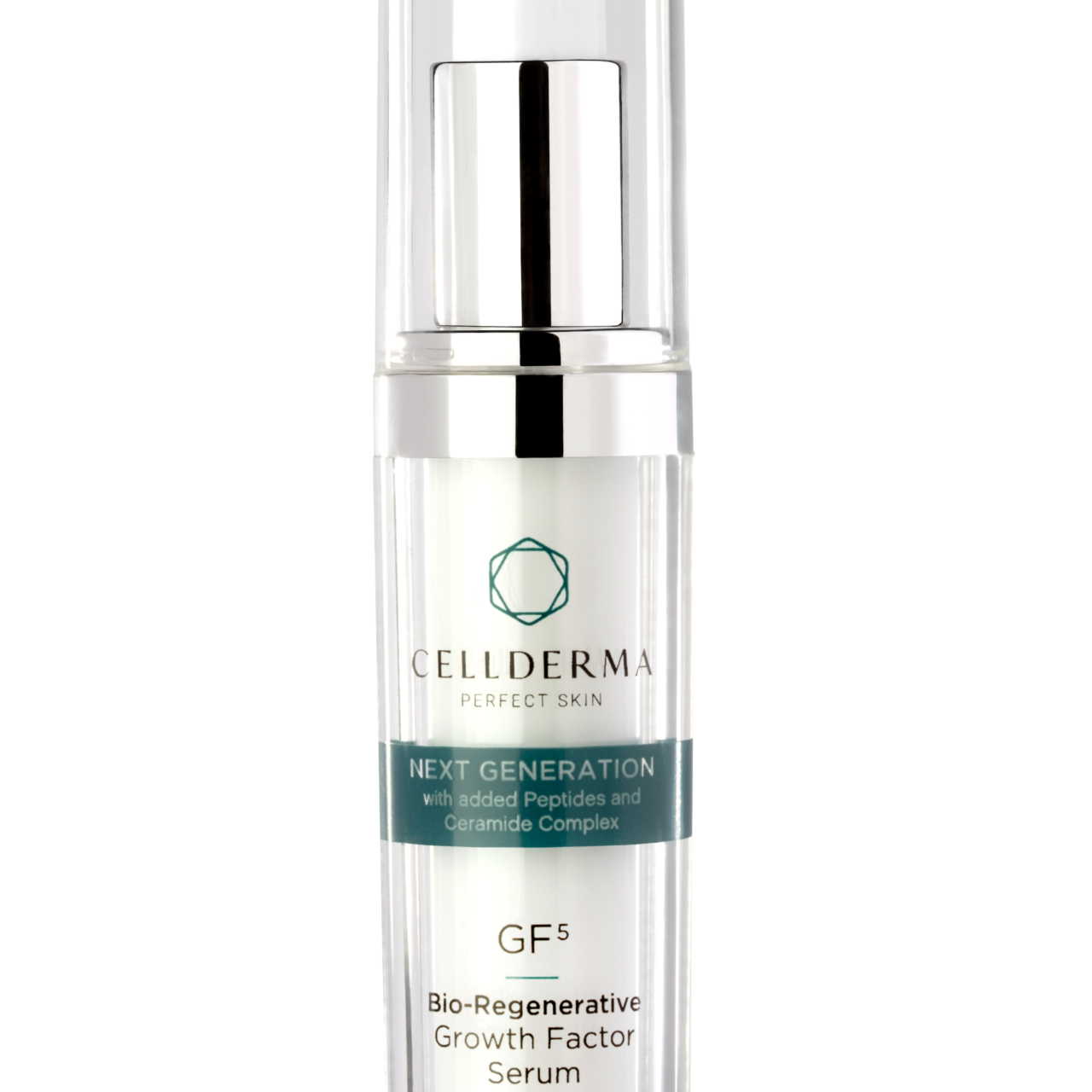
CellDerma GF5 Bio-Regenerative Growth Factor Serum is designed to support this natural system.
It helps to:
- Stimulate collagen production
- Improve firmness and elasticity
- Support skin renewal
- Calm inflammation
- Encourage healthier cell communication
Instead of forcing irritation or rapid exfoliation, GF5 gently reminds the skin how to repair itself properly.
This supports smoother, stronger, healthier-looking skin over time.
Why Retin-ACE Is a Next-Generation Retinoid for Skin Renewal
Retinoids are one of the most proven ingredients for improving skin texture, tone and collagen levels.
However, traditional retinol can irritate ageing or sensitive skin — disrupting the skin barrier and increasing inflammation.
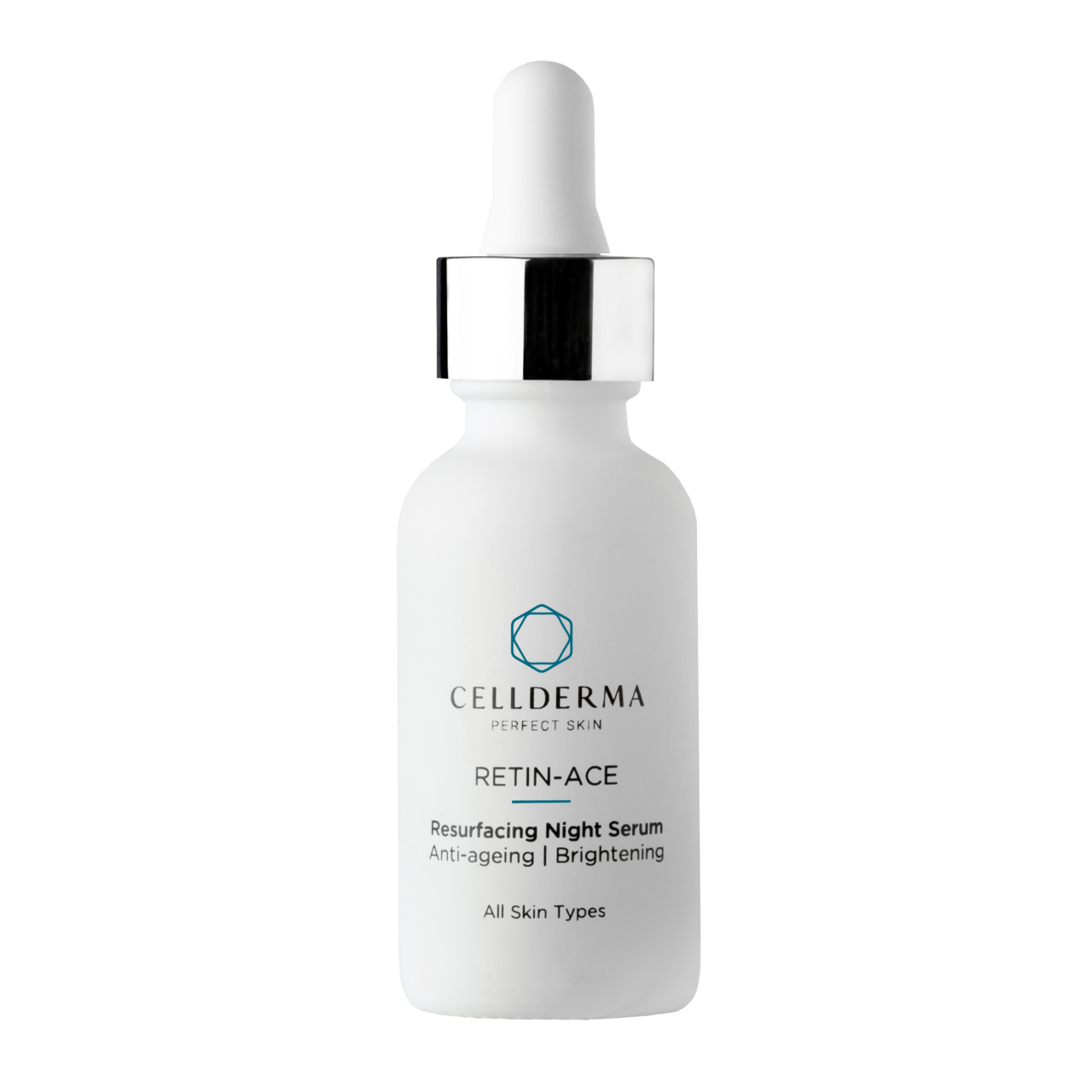
CellDerma Retin-ACE Resurfacing Night Serum uses hydroxypinacolone retinoate, a modern retinoid that works directly with skin receptors without harsh side effects.
It helps:
- Increase cell turnover
- Boost collagen production
- Smooth fine lines
- Brighten skin tone
- Improve pores and texture
Used at night, it aligns perfectly with your skin’s natural repair cycle.
The Power of Combining Regeneration and Renewal
Together, GF5 and Retin-ACE support both sides of youthful skin biology:
GF5 strengthens repair signalling and regeneration.
Retin-ACE improves renewal and collagen stimulation.
This combination helps restore skin rhythm – rather than simply masking ageing.
A New Way to Think About Skin Longevity
Instead of focusing only on wrinkles, a smarter goal is improving how well your skin repairs itself.
When repair systems function properly:
- Collagen builds naturally
- Inflammation settles
- Skin becomes firmer and smoother
- Tone evens out
- Glow returns
This is what truly youthful skin biology looks like.
Final Thoughts: Your Skin Can Still Regenerate
Your skin hasn’t lost its ability to renew.
It simply needs better support to restore its natural repair rhythm.
By calming inflammation, supporting growth factor signalling and encouraging healthy renewal with products like GF5 and Retin-ACE, you’re helping your skin function the way it was designed to.
Anti-ageing isn’t about fighting your skin.
It’s about helping it heal, regenerate and thrive again.