Rosacea, Stress, and Your Skin: The Connection Most People Miss
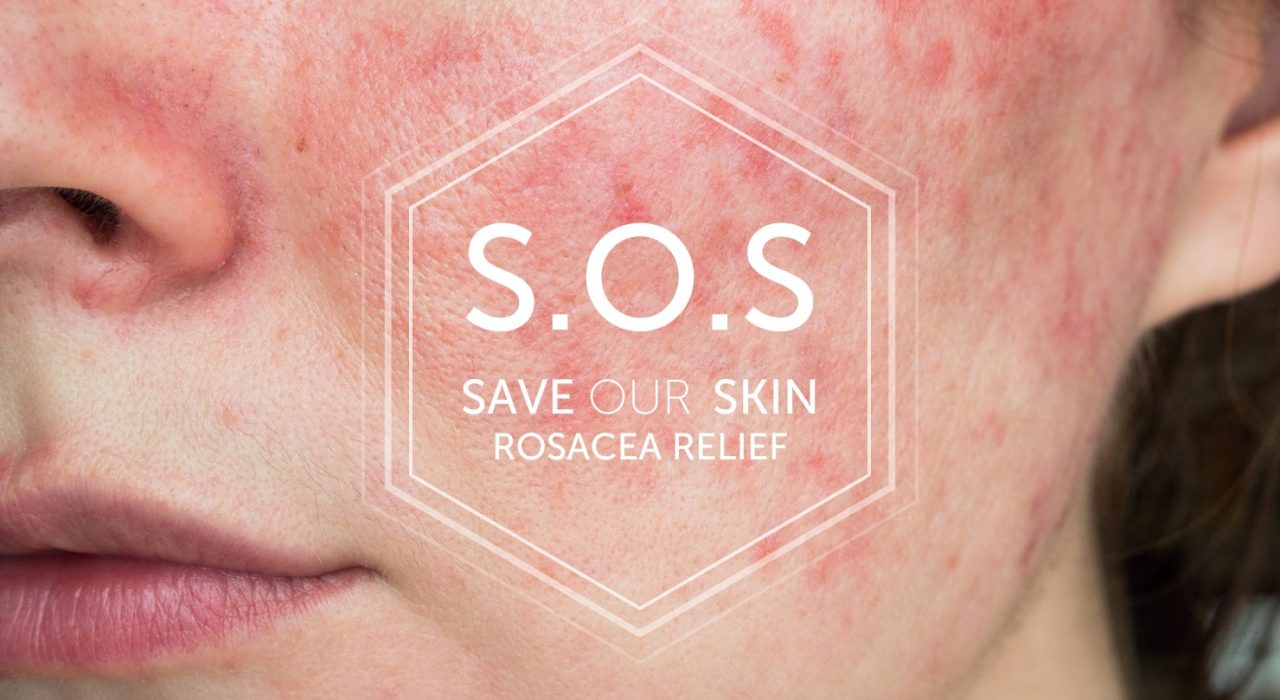
April brings awareness to two things that are more connected than most people realise: rosacea and stress. They are often treated separately. But in reality, they are closely linked and if you are dealing with persistent redness, flushing, or sensitivity, stress may be playing a much bigger role than you think.
What Is Rosacea and Why Does It Flare?
Rosacea is a chronic inflammatory skin condition that commonly presents as:
- Persistent redness
- Flushing
- Visible blood vessels
- Sensitivity or burning
It is often dismissed as “just sensitive skin” or “just redness.”
It is neither.
Rosacea is a reactive skin state, where the skin over-responds to internal and external triggers.
One of the most significant triggers is stress.
The Stress–Skin Connection
When you are stressed, your body releases cortisol and other stress hormones.
This leads to:
- Increased inflammation
- Blood vessel dilation (flushing)
- Impaired skin barrier function
- Slower skin recovery
In simple terms: stress makes skin more reactive.
This is why rosacea often worsens during:
- Busy or high-pressure work periods
- Poor sleep
- Emotional stress
- Hormonal fluctuations
This is not coincidence.
It is physiology.
Why Topical Treatments Alone Are Not Enough
Many people attempt to manage rosacea with skincare alone.
But if the internal trigger stress is not addressed, results are often limited.
A more effective approach is dual-focused:
- Calm the skin externally
- Regulate the system internally
You need both.
The Two-Breath Reset (Cyclic Sigh Technique)
A simple, science-backed breathing method known as the cyclic sigh can help regulate your nervous system in under a minute.
It works by activating the vagus nerve, helping to calm heart rate, blood pressure, and stress signalling.
How to do it:
- Take a fast, deep breath in through your nose
- Take a second, smaller inhale on top
- Slowly exhale through your mouth with a sigh
It may feel unusual. That’s fine.
Because it works.
This technique can help reduce:
- Flushing
- Skin sensitivity
- Inflammatory response
It is not a replacement for treatment but it is a powerful support tool.
Practical Ways to Reduce Stress (and Support Your Skin)
You do not need a complete lifestyle overhaul.
Consistency matters more than complexity.
Focus on:
- Sleep – the most underrated skin treatment available
- Gentle movement – walking over high-intensity stress-inducing workouts
- Reducing overstimulation – especially screen time before bed
- Routine – predictable habits calm the nervous system
These are not trends.
They are fundamentals.
How to Calm Rosacea-Prone Skin
While addressing internal triggers, your skincare should focus on one primary goal:
Reducing reactivity and strengthening the skin barrier.
At CellDerma, this is achieved through clinically informed formulation – not guesswork.
Key Support Products for Rosacea-Prone Skin
- Regenerative, anti-inflammatory support with five bio-identical growth factors
- Helps calm neurogenic inflammation and reduce redness
- Contains Copper Tripeptide-1 and Palmitoyl Tripeptide-8 to support repair
- Palmitoyl Tripeptide-8 helps modulate Substance P (linked to flushing)
- Replenishes barrier lipids (ceramides, cholesterol, fatty acids)
- Lightweight, non-comedogenic hydration
- Contains squalane, glycerin, and skin-compatible moisturisers
- Supports barrier function and reduces dehydration-driven sensitivity
- Marine algae extracts help defend against environmental stressors
- Improves overall skin comfort and resilience
- Hydroxypinacolone Retinoate delivers effective vitamin A with minimal irritation
- Supports skin renewal and improves uneven texture
- Suitable for redness-prone skin
- Helps regulate oil and improve clarity
- Antioxidant protection against stress-induced oxidative damage
- Brightens and evens skin tone without irritation
- Supports overall skin resilience
- Lightweight, breathable daily protection
- Zinc oxide-based defence suitable for sensitive or reactive skin
- Protects against pigmentation, premature ageing, and environmental stress
- Allows skin to repair rather than react
What to Expect
Managing rosacea is not about instant results.
It is about long-term regulation.
With the right approach, you can expect:
- Reduced flare frequency
- Faster recovery time
- Increased skin tolerance
Over time, skin becomes:
- Less reactive
- More resilient
- More predictable
And that is where real confidence comes from.
Final Thought
Rosacea is not just a skin condition.
It is a response.
If you only treat what is visible, you miss what is driving it underneath.
As awareness grows this month, the focus should shift:
Not just on redness, but on regulation.
Because calmer skin starts with a calmer system.