

Why PDRN is everywhere
I should start by saying that I first encountered PDRN in 2014, when an Italian company from whom I bought a gas plasma device gave me some samples. I trialled the PDRN in a number of cases.
More recently, PDRN has moved quickly from clinical and aesthetic conversations into mainstream beauty. This creates genuine interest, but it also allows complex science to become simplified into a trend claim.
The question I ask is not simply whether PDRN is exciting. It is whether the evidence genuinely matches the product, route of use and claim being presented.
What PDRN skincare is, and what the label may not tell you
PDRN, or polydeoxyribonucleotide, refers to purified DNA-derived fragments composed of deoxyribonucleotide chains. It is not one uniform material. Source, molecular-weight range, purification and manufacturing specifications can differ.
PDRN is closely related to the broader term polynucleotides, but those terms are not always used consistently across cosmetic products, injectable treatments and research. A label may therefore tell you the trend category without telling you enough about the exact active material.
For a direct comparison with exosomes and growth factors, read our separate guide to PDRN, exosomes and growth factors in skincare.
Why the route of use matters
A topical cosmetic used on intact skin is not the same intervention as an injectable treatment or a material used in a medical setting. You cannot automatically transfer evidence from one route to another. The barrier, dose, delivery and measured outcomes are different.
This does not mean topical PDRN is without interest. It means the evidence should relate to that exact topical formula rather than rely on PDRN’s reputation in a different setting.
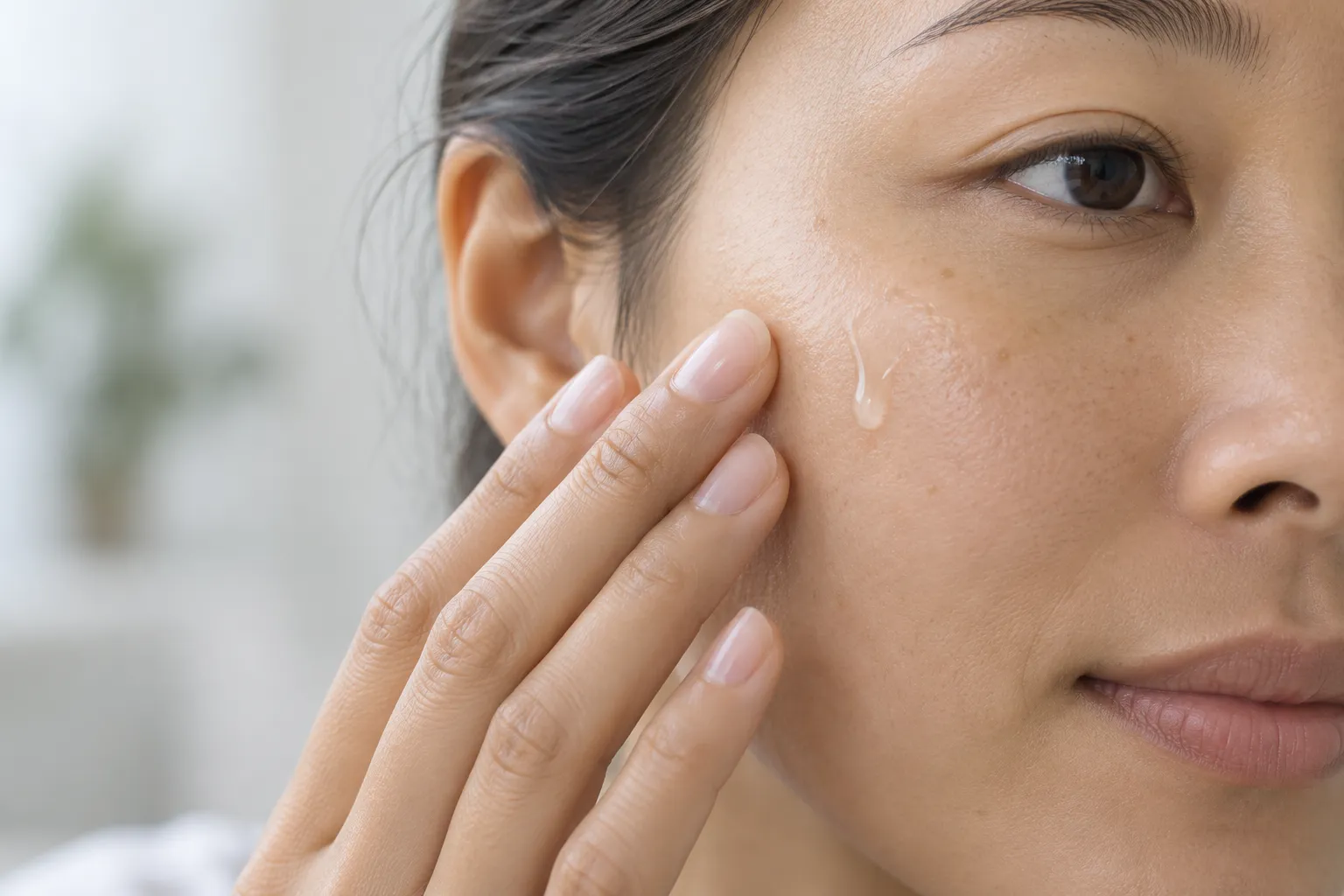
Where hype can creep in
Hype begins when ingredient-level research becomes certainty about a finished product. A formula may mention PDRN, but I still want to know what form is present, how much is used, whether it remains stable, whether the delivery makes sense and whether researchers have assessed that exact product.

How I would assess a topical PDRN product
| Question | What to check |
|---|---|
| What is the material? | Source, specification, molecular-weight range and form. |
| Is the evidence relevant? | Topical evidence rather than results from injectable or medical use. |
| Was the finished formula assessed? | Population, duration, measurement method and comparator, where applicable. |
| Is it suitable for my skin? | Complete-formula tolerability, routine fit and any relevant sensitivity history. |
| Are the claims proportionate? | Study size, design and the exact endpoint that was measured. |
What better evidence looks like
Good evidence clearly separates the biological rationale for an ingredient from testing of the finished product. It explains who used the formula, for how long, how researchers measured outcomes and whether the assessment included a control or comparator. Smaller assessments can still be useful, but their claims should remain proportionate to their design.
At CellDerma, I apply the same standard to our own growth factor technology. GF5 Next Generation is a growth factor serum used at the serum step, not a PDRN product. Our comparison guide explains its classification and finished-formula evidence rather than repeating it here.
Should you use PDRN skincare?
I would not dismiss a well-formulated topical PDRN product that someone enjoys and tolerates. Equally, I would not allow the ingredient to replace the fundamentals: daily sunscreen, gentle cleansing, appropriate barrier support, measured use of actives and consistency over time.
For persistent pigmentation, post-treatment sensitivity, rosacea-prone skin, acne or a compromised barrier, I would prioritise a clinician-led routine over chasing the newest ingredient.
The takeaway
PDRN is not new, although social media influencers and skincare brands may make it out to be. I would not say it is a wonder breakthrough, nor would I say it is all hype. The credible position sits between those extremes. The most trustworthy product is one that defines its material clearly, uses an appropriate formulation and supports its claims with evidence relevant to the finished topical formula.
Frequently asked questions
Is PDRN skincare proven?
PDRN is an area of genuine research interest, but evidence for topical skincare varies between products. The word PDRN on a label is not sufficient proof on its own; the exact material, formulation, concentration, delivery and finished-product data matter.
Does PDRN work when applied topically?
That depends on the specific formula and the evidence behind it. You cannot automatically assume that results from injectable or medical use will apply to a topical cosmetic used on intact skin.
Is PDRN better than retinoids or growth factors?
Unlikely. These are different categories with different mechanisms and roles. The most appropriate option depends on the concern being addressed, the skin’s tolerance and the quality of evidence behind the finished product, but growth factors and retinoids are almost certainly in a superior class.
Can sensitive skin use PDRN?
Sensitive skin should approach any new active carefully. Even if the headline ingredient sounds supportive, other components in the complete formula may sting or irritate. Introduce one product at a time and stop if persistent burning, swelling or worsening redness develops.
What should I prioritise before trying PDRN?
I would prioritise daily sunscreen, gentle cleansing, barrier support with anti-inflammatory and hydrating ingredients, and a consistent routine first. Advanced regenerative ingredients are most useful when those foundations are already in place.
By Dr Dev Patel, MB BS, PgDip Derm, MRCGP
Founder of CellDerma and Aesthetic Physician