Why Daily SPF Is Non-Negotiable: The Science Behind Skin Cancer Prevention
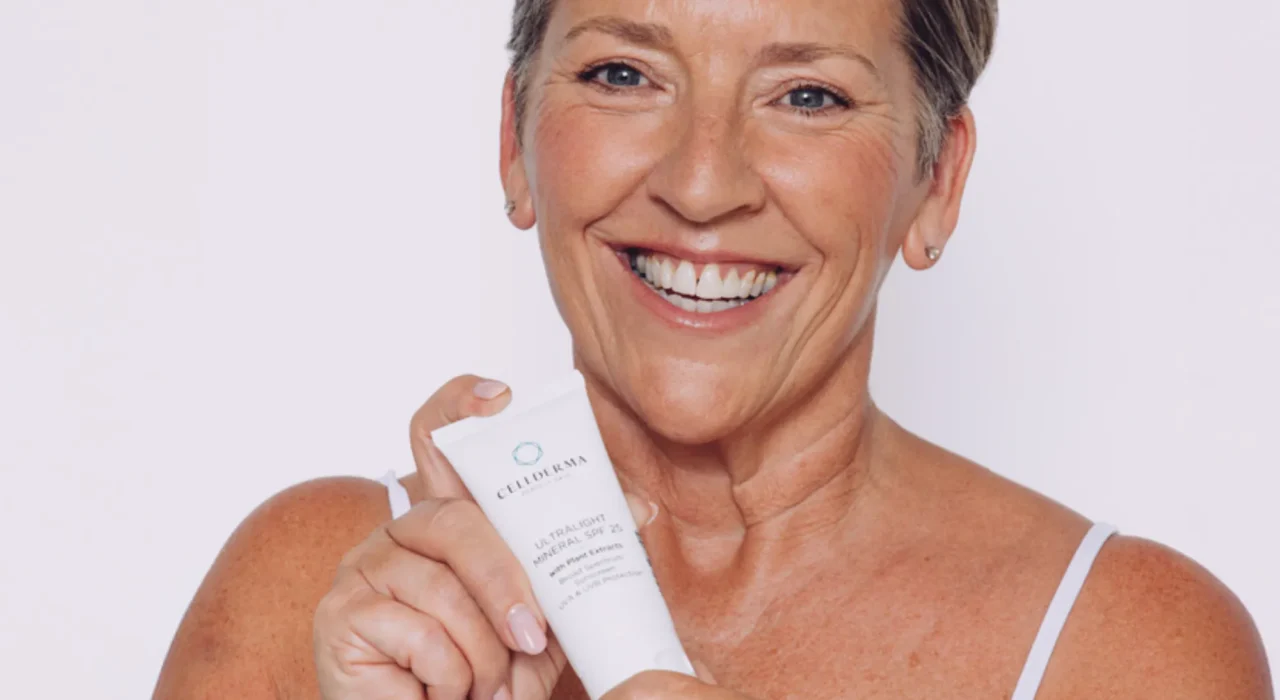
Why Daily SPF Is Non-Negotiable: The Science Behind Skin Cancer
Skin cancer is often framed as something visible: a mole that changes, a lesion that appears, a diagnosis that comes later.
But clinically, that is the final stage of a much longer process.
The real issue is what happens silently, daily, at a cellular level long before anything appears on the surface.
This is where most skincare advice falls short. It focuses on treating what you can see, rather than interrupting the damage while it is still invisible.
The Everyday Reality of UV Exposure
Women in this age group are often consistent with skincare, but not always with protection.
There is a common pattern:
- Prioritising active ingredients such as retinoids and exfoliants
- Inconsistent or insufficient SPF use
- Underestimating daily exposure (commuting, walking, incidental sun exposure)
The result is cumulative UV damage, the primary driver behind both premature ageing and skin cancer.
Most UV damage does not come from extreme sun exposure. It builds gradually through everyday life.
Understanding UV Radiation: UVA vs UVB
When we talk about sun damage, most people think of burning, redness, or time spent in direct sunlight.
Clinically, that is only a small part of the picture.
The real concern is what UV radiation does at a cellular level long before anything becomes visible on the surface of the skin.
UV radiation affects the skin in two primary ways, through UVB and UVA exposure.
UVB radiation is responsible for surface-level damage. It causes visible sunburn and directly damages the DNA within skin cells.
UVA radiation, however, is the more consistent and underestimated threat.
It penetrates deeper into the skin, affecting structural components such as collagen and elastin. Rather than causing immediate visible damage, it drives long-term skin changes by:
- Breaking down collagen and elastin
- Generating oxidative stress through free radicals
- Weakening the skin’s natural repair processes
Unlike UVB, UVA is present all year round. It passes through clouds and glass, meaning exposure happens even when you are not consciously “in the sun.”
What Happens at a Cellular Level
At a cellular level, repeated UV exposure:
- Disrupts DNA within skin cells
- Creates cumulative mutations over time
- Accelerates oxidative stress
- Reduces the skin’s ability to repair itself effectively
Over time, this creates an environment where damaged cells are more likely to behave abnormally, the underlying mechanism behind skin cancer development.
What makes this more concerning is that most of this damage is invisible.
You do not see it immediately. There is no instant feedback.
Instead, it accumulates gradually, often presenting years later as pigmentation, uneven tone, loss of elasticity or in more serious cases, skin cancer.
The Invisible Nature of Damage
One of the biggest misconceptions around sun damage is that it is obvious.
In reality:
- Most UV damage accumulates without visible symptoms
- Early cellular damage goes unnoticed
- Visible changes appear much later
By the time you see pigmentation, fine lines, or uneven texture, the underlying biological processes have already been developing for years.
This is why prevention is significantly more effective than correction.
The Role of the Skin Barrier
The skin barrier plays a critical role in protecting against environmental stress, including UV exposure.
When functioning well, the barrier helps:
- Maintain hydration
- Reduce inflammation
- Support repair processes
- Limit penetration of external stressors
When compromised, the skin becomes more vulnerable to damage.
Barrier-supporting ingredients such as glycerin and niacinamide help strengthen this defence, improving resilience and reducing the impact of environmental exposure.
Healthy skin is not just about appearance, it is about function.
Prevention Is Not Just SPF, It’s Skin Function
SPF is essential, but on its own, it is not enough.
A clinically effective approach to skin cancer prevention includes multiple layers:
- UV Protection (SPF)
Prevents direct damage from UV radiation - Antioxidant Defence
Neutralises free radicals generated by UV exposure and supports collagen integrity - Barrier Support
Strengthens the skin’s ability to resist and recover from damage - Repair and Regeneration
Supports recovery from existing cellular damage
This approach shifts skincare from reactive to preventative.
Early Signs You Should Not Ignore
While prevention is key, awareness remains essential.
Signs to monitor include:
- Changes in the size, shape, or colour of moles
- Persistent redness or irritation
- Areas that do not heal as expected
Early detection significantly improves outcomes.
A Smarter Daily Routine for Long-Term Skin Health
A consistent, function-led routine is more effective than a complex one.
Morning Routine
- Antioxidant (such as Vitamin C)
- Barrier-supporting moisturiser
- Broad-spectrum SPF (daily, non-negotiable)
Evening Routine
- Cleanse
- Targeted treatment (e.g. retinoid, pigment correction)
- Hydration and barrier repair
Consistency is the key driver of results.
The CellDerma Approach to UV Protection and Skin Longevity
Most skincare focuses on short-term results, glow, brightness, or quick improvements.
CellDerma takes a different approach. The focus is on:
- Supporting skin function
- Strengthening long-term resilience
- Preventing damage before it becomes visible
Skin cancer awareness should not only focus on detection.
It should focus on prevention at a biological level.
That means understanding how damage happens and interrupting it early.
By Dr Dev Patel