Beef Tallow: Trend or Trouble?
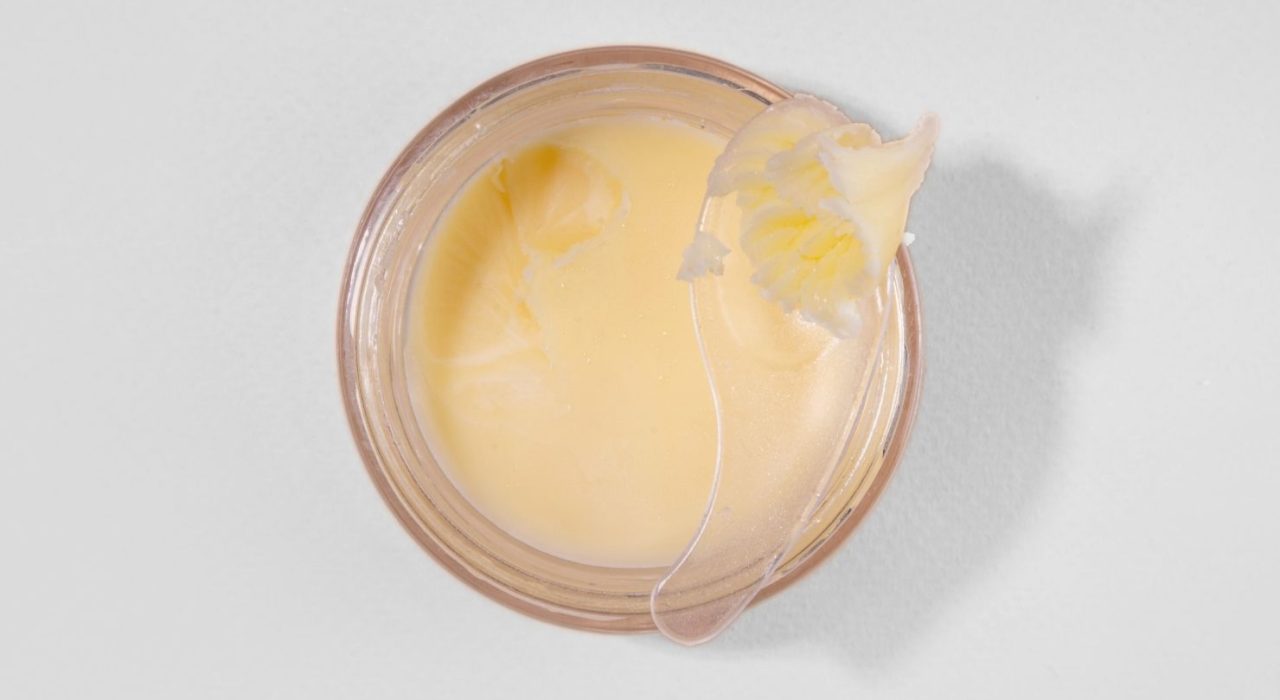
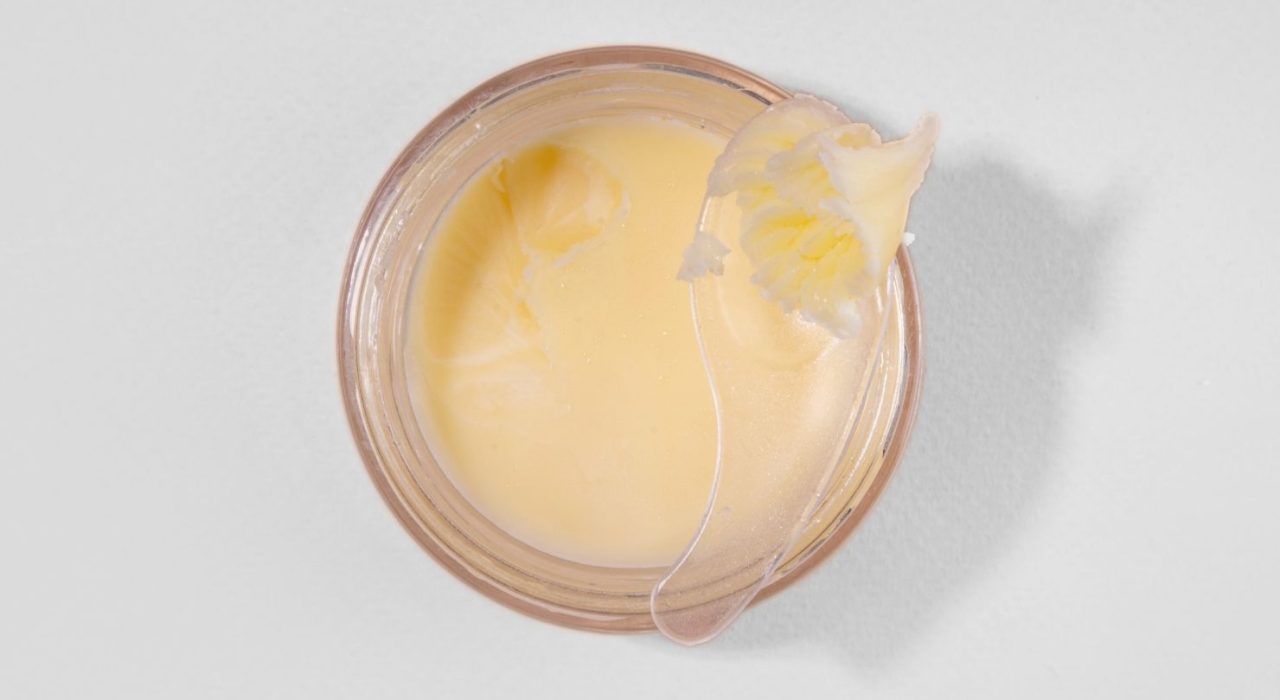
The beef tallow trend is a viral skincare movement that uses beef fat in moisturisers and balms to hydrate skin, support the skin barrier, and sometimes soothe acne, but it also comes with possible downsides such as pore clogging and irritation. As consumers look for chemical-free or alternative skincare options and chase social-media-driven “glass skin,” beef tallow has become the latest animal-based ingredient to capture the attention of skincare enthusiasts, especially people with dry or acne-prone skin considering a new moisturiser.
The trend took off when model and influencer Nara Smith used beef tallow as the base for her homemade moisturiser, and it has since been widely promoted by skincare influencers on TikTok. That online buzz has pushed brands to launch tallow-based products before the ingredient is well understood, which is exactly why it helps to look past the hype.
Ahead, we break down what beef tallow is, the skincare benefits people claim, the risks and sourcing questions to watch for, the environmental trade-offs, where research is still limited, and how it compares with safer, better-studied alternatives.
What Is Beef Tallow?
Beef tallow in skincare comes from rendered animal fat. Rendering is a process that removes moisture from raw animal fat through evaporation, making it shelf stable and giving it its creamy, balmy texture. This allows it to be used in cooking, soap, candles, and skincare products.
Benefits of Beef Tallow in Skincare
Beef tallow is said to offer several skincare benefits, such as:
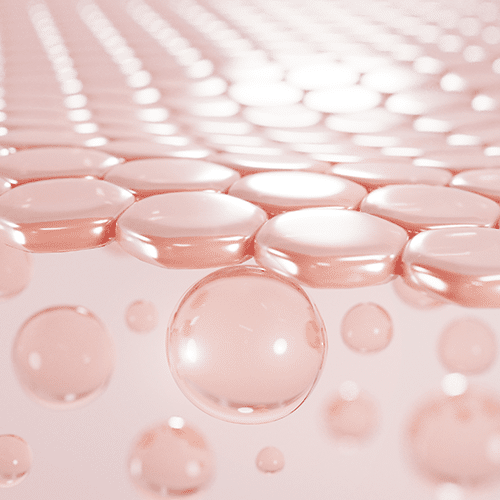
Protecting the skin barrier
Beef tallow contains fat-soluble vitamins, including vitamins A, D, E, and K, plus antioxidants that may help shield the skin from damage and protect the skin barrier, which can help prevent signs of ageing.
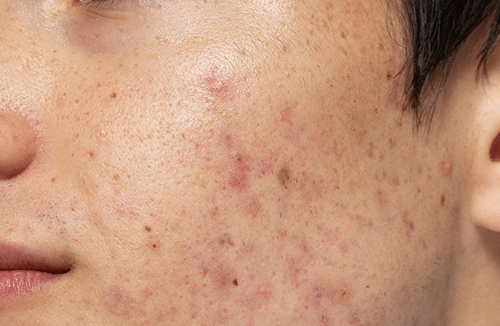
Helping with acne
Due to its anti-inflammatory properties, some claim it can soothe acne-prone skin, though putting beef tallow on acne-prone skin may still clog pores.
Deep hydration
As a rendered fat, beef tallow has a balmy texture and is now sold in many skincare forms, with specialty options such as Wagyu beef tallow also entering the market; it closely resembles the skin’s natural oil balance, making it an effective moisturizing moisturiser that penetrates deeply without clogging pores and may help with dry skin by providing deep hydration for very dry skin.
Soothing eczema and psoriasis
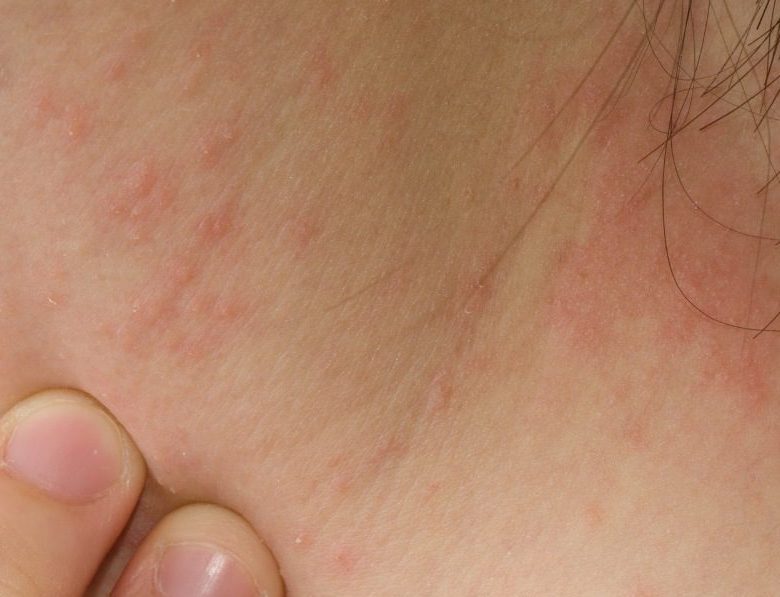
Thanks to its moisturising and anti-inflammatory properties, beef tallow may provide relief from eczema symptoms, soften thickened, scaly patches associated with psoriasis, and be used on the body for very dry areas.
Beef tallow is most commonly found in moisturizers or balms because of its naturally rich and balmy texture. However, it is also used in other skincare products, including lip balms and sunscreens.
The Reality of Beef Tallow
While beef tallow may sound beneficial on paper, let’s explore the realistic expectations of using it in skincare. Beyond skincare, it is also experiencing a broader cultural and commercial revival, fueled in part by social media and renewed interest in traditional cooking methods. Some of that momentum reflects growing skepticism toward industrialized vegetable oils and seed oils. Supporters also argue it feels more appealing because it is less processed than seed oils, and that renewed interest is tied in part to nostalgia for traditional cooking.
While beef tallow is often marketed as beneficial for acne due to its anti-inflammatory properties, the reality is that its balmy, oily texture makes it highly comedogenic. This means putting it on the skin has the potential to clog pores and may worsen acne, particularly for those already prone to breakouts. Unpreserved tallow-based skincare can also introduce bacteria to the skin, and DIY formulas with essential oils may further irritate sensitive skin. Additionally, its use in skincare is not currently FDA-approved, and unlike tallow, conventional formulations are typically preserved and designed with skin health in mind. Many who have experimented with tallow skincare have noted, while it offers certain nourishing properties, the scent can be unpleasant. The natural aroma of tallow isn’t easily masked, which can make the experience less enjoyable, and irritation or infection are possible health problems for some users.
Important Factors to Consider
SOURCE AND PURITY OF TALLOW
Dermatology.org states that checking whether the beef tallow in your skincare has come from grass fed cattle is a top priority. Although some compare beef tallow with other animal fats like lard or butter, purity and sourcing still matter for skincare use, since 100% pure tallow from grass-fed cows contains higher nutrient levels, whereas lower-quality tallow may contain impurities that could harm the skin barrier.
Lack of Scientific Research
Beef tallow skincare is still an emerging trend, and much about its long-term effects remains unknown. According to the National Library of Medicine, “the side effects of tallow applied topically need to be researched as this is the main gap found.”
Environmental Impact
Existing studies have concluded that beef tallow is not reef-safe and is harmful to marine life. Its saturated fat content resists breaking down in water, unlike plant-based ingredients that decompose more easily in marine environments.
Beef Tallow Skincare Trend: Trend or Trouble?
The key takeaway when trying any skincare trend is that skincare is not one-size-fits-all. What works for one person may not work for another, especially across different skin conditions. With limited medical and evidence-based research on beef tallow’s efficacy in skincare, it’s best to approach this trend with caution because it may carry some risk, especially for sensitive skin. The same caution applies to animal fats used beyond skincare: if you also cook with beef tallow, it was commonly used in fast food until the late 20th century and some chains are now reintroducing it for frying, a use historically linked to the crispness of fries. Home cooks also use it for high-heat methods because of its high smoke point. For frying, it can create a crisp, non-greasy exterior and add rich, savory depth to foods such as roasted vegetables. It also fits into keto, paleo, and other whole-food diet trends. High-profile public figures have raised consumer awareness, the topic has entered U.S. political discussions, and some major food manufacturers are replacing seed oils with beef tallow. Still, 100 grams contains 49.8 grams of saturated fat. High saturated fat intake may raise heart disease risk for overall health, and the USDA and U.S. Dietary Guidelines recommend keeping saturated fat to less than 10% of daily calories.
CellDerma products are vegan, cruelty-free, and dermatologically tested. We are dedicated to high-quality skincare, formulating with sustainably sourced, plant-derived ingredients to deliver bio-active benefits. Suitable for all skin types, our products offer simple, safe, and effective fragrance-free, science-led care for your skin, with research-backed ingredients such as hyaluronic acid. Compared with tallow, research-backed moisturising options like hyaluronic acid and vitamin E are better supported.
As always, if you have any concerns, it’s advisable to consult a board-certified dermatologist or skincare professional before making changes to your routine. This is especially important for patients with existing skin conditions or a history of allergic reaction. If you choose to eat beef tallow, use it in moderation within a balanced diet, keep portions small in everyday meals, and lean more on olive oil, fish, and other whole foods. We have a brilliant network of CellDerma partnered clinics across the UK and Ireland. If you’d like a consultation, you can find their locations and contact details on our clinic search page.