Retinal vs Retinol: Which Advanced Retinoid Is Better for Skin Ageing?
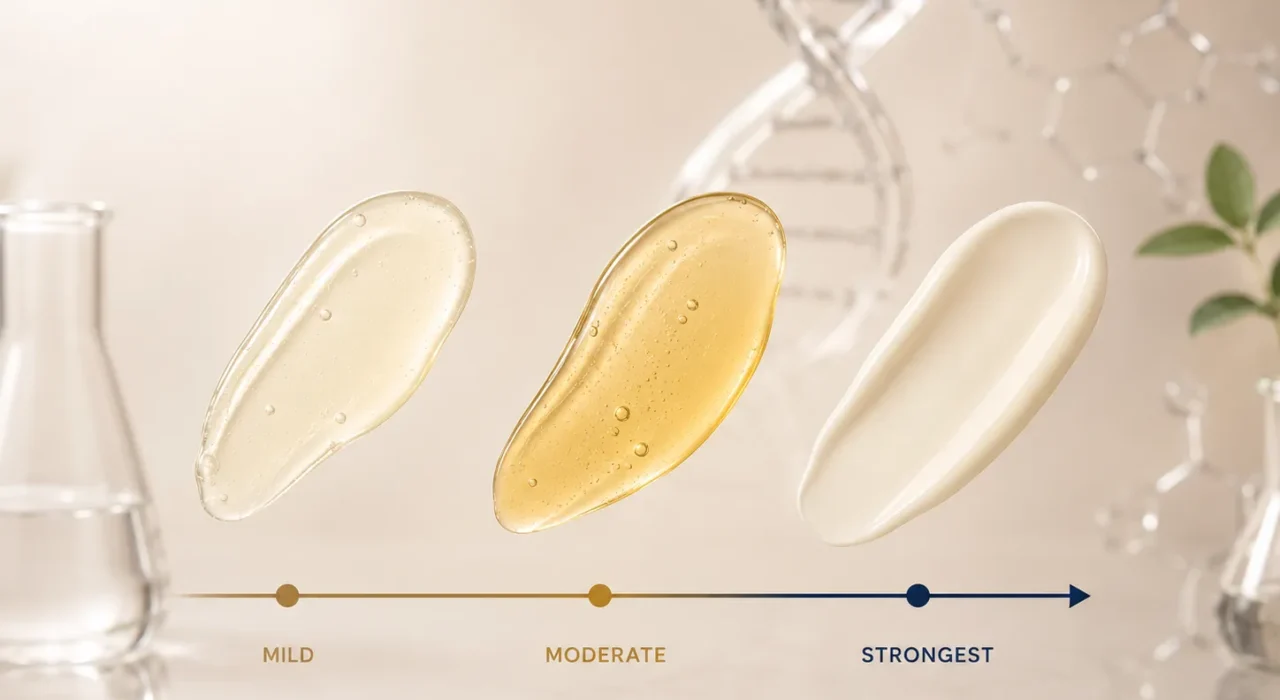
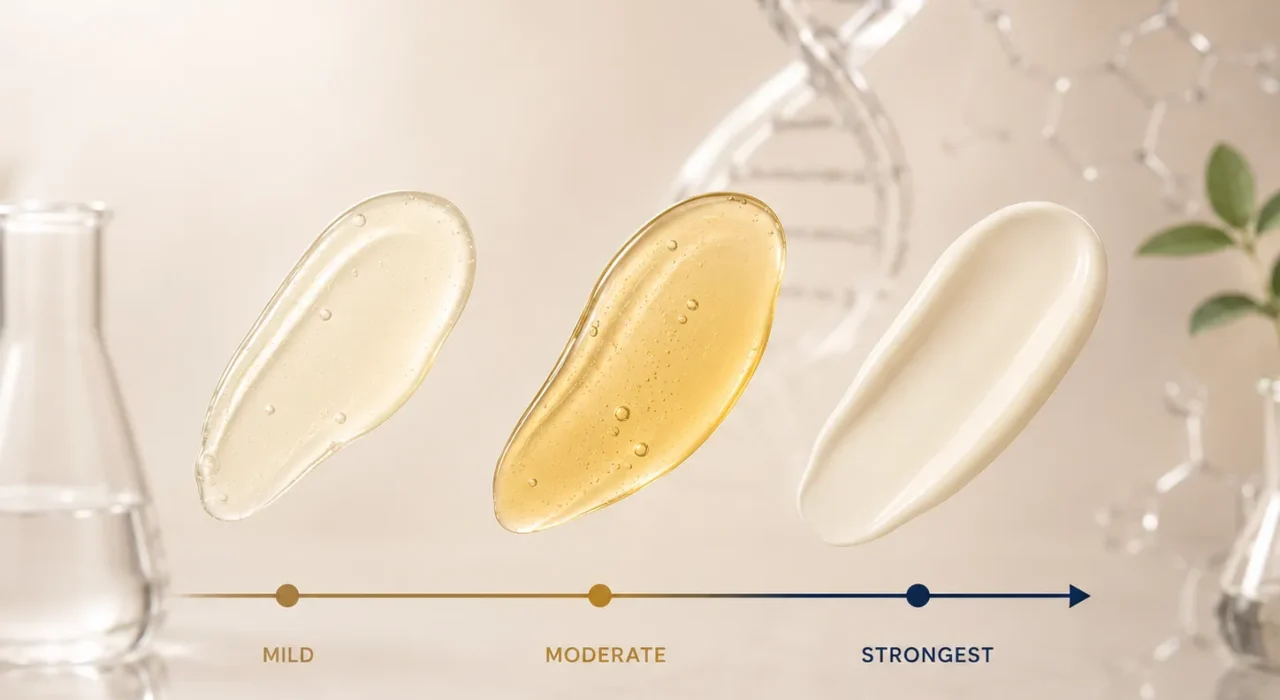
Retinol vs Retinal vs HPR: Understanding the Modern Retinoid Ladde
HPR retinol, also known as hydroxypinacolone retinoate (HPR), is a newer-generation retinoid that binds directly to retinoid receptors, so it can deliver retinoid benefits with better stability, faster visible results, and often less irritation than traditional retinol, which has to convert through multiple steps before becoming active. That makes it a growing focus in modern anti-ageing skincare, especially for people trying to improve skin texture, wrinkles, pigmentation and collagen production without the usual trade-off in comfort.
Retinol vs retinal vs HPR is one of the biggest discussions in modern anti-ageing skincare. While all three retinoids are designed to improve skin texture, wrinkles, pigmentation and collagen production, they differ significantly in potency, irritation potential, speed of results and long-term skin tolerability.
Retinoids are widely considered the gold standard in skincare for improving:
- Fine lines and wrinkles
- Acne
- Pigmentation
- Uneven texture
- Collagen production
- Overall skin quality
But despite their popularity, there is still significant confusion around the difference between retinol, retinal, tretinoin, and newer-generation retinoids like hydroxypinacolone retinoate (HPR).
So which retinoid is strongest? Which works fastest? Which causes the least irritation? And is traditional retinol still the best option in modern skincare? For skincare users, people with sensitive or reactive skin, and professionals comparing advanced formulations, those differences affect not just results, but whether a retinoid can be used consistently enough to improve long-term skin quality.
Understanding the retinoid ladder helps answer these questions, and this guide breaks down how retinol, retinal, tretinoin and HPR compare in efficacy, irritation, and real-world tolerability so you can choose the right retinoid for your skin.
What Are Retinoids?
Retinoids are vitamin A derivatives that help regulate skin cell turnover and stimulate biological processes linked to:
- Collagen synthesis
- Epidermal renewal
- Pigmentation control
- Acne reduction
For decades, retinoids have remained among the most clinically studied ingredients in dermatology.
However, not all retinoids behave in the same way.
Some require multiple conversion steps before becoming biologically active. Others interact more directly with retinoid receptors in the skin.
This affects:
- Potency
- Irritation risk
- Speed of visible results
- Formulation stability
- Long-term tolerability
Understanding the Retinoid Ladder
The “retinoid ladder” refers to how efficiently topical retinoids derived from vitamin A convert into retinoic acid, the active form that supports skin cell turnover and other biological processes in skin cells; HPR binds directly to retinoid receptors rather than relying on the usual conversion chain.
In general:
The fewer conversion steps required, the more biologically active the retinoid becomes.
However, traditional retinoids have historically involved a trade-off:
- Higher activity
- Increased irritation
- Reduced stability
The Retinoid Ladder: Weakest to Strongest
Retinyl Esters
Examples include:
- Retinyl palmitate
- Retinyl acetate
These are among the mildest retinoids available, and how efficiently they convert affects how strongly and consistently they act inside skin cells.
They require several conversion steps before becoming active, unlike a retinoic acid ester such as HPR that can bind retinoid receptors more directly:
Retinyl Ester → Retinol → Retinal → Retinoic Acid
Benefits
- Stable
- Gentle
- Beginner friendly
Limitations
- Lower biological activity
- Slower visible results
Retinol
Retinol became one of the most recognised anti-ageing skincare ingredients worldwide. The right retinol product should be chosen based on skin type and tolerance.
As part of the retinoid family, retinol must convert through the following pathway before becoming active:
Retinol → Retinal → Retinoic Acid
This conversion process is why retinol works more slowly than retinal.
Retinol can help improve:
- Fine lines
- Dullness
- Mild pigmentation
- Early signs of ageing
However, traditional retinol also has limitations, and dryness and irritation are more likely when skin is not yet used to retinoids, so they should be introduced gradually and not combined too aggressively with other retinoids:
- Instability
- Sensitivity to light and air
- Delayed visible results
- Irritation in some users
Beginners and those with sensitive skin should start once or twice weekly, then increase frequency as their skin adapts.
This has driven growing interest in newer retinoid technologies.
Retinal Products (Retinaldehyde)
Retinal sits closer to retinoic acid in the pathway because retinal is one conversion step away from retinoic acid, while retinol needs two conversion steps to become active; research on retinal metabolism helps explain the difference, and published work in the Biochemical Journal has examined these biochemical differences:
Retinal → Retinoic Acid
Small molecular differences also matter here, and the distinction between retinol and retinal helps explain why this more potent form works faster. In practice, retinal works about 11 times faster than retinol.
This makes retinal:
- More potent than retinol
- Faster acting
- Highly effective for skin cell renewal
Many dermatology professionals now consider retinal one of the best balances between:
- Efficacy
- Speed of results
- Tolerability
In retinal skincare, it can suit different skin concerns, from mature skin to acne prone or blemish prone skin, depending on the skin’s unique needs.
Compared with retinol, retinal is often associated with:
- Faster visible improvement
- Stronger collagen stimulation
- Improved acne support
- Enhanced skin texture refinement
With consistent use over 2-4 weeks, it can stimulate cellular turnover and support collagen production, helping reduce fine lines and improve skin texture. Pairing it with hyaluronic acid can help support hydration as users adapt. Advanced retinoids can also penetrate deeper into the dermis to stimulate fibroblasts, supporting collagen and elastin production, and can downregulate pigmentation-gene expression, which helps reduce dark spots, uneven tone, and uneven skin tone for smoother, brighter, healthier-looking skin.
Searches for “retinal vs retinol” have increased significantly as consumers become more informed about retinal serums and other retinal products within advanced retinoid technologies. Vitamin C is often used in the morning, while retinal is commonly reserved for evening use.
Tretinoin (Retin-A)
Tretinoin — also known as retinoic acid or Retin-A — is the prescription gold standard retinoid.
Unlike retinol or retinal:
- It requires no conversion
- It directly binds retinoid receptors
- It produces strong biological activity
Tretinoin has extensive clinical evidence supporting its use in:
- Acne
- Photoageing
- Fine lines
- Pigmentation
However, potency comes with compromises.
Common side effects include:
- Redness
- Peeling
- Dryness
- Irritation
- Barrier disruption
For some users, long-term adherence can become difficult due to these tolerability challenges.
Why Traditional Retinoids Often Cause Irritation in Sensitive Skin
As retinoid activity increases:
- Cell turnover accelerates
- Barrier stress can increase
- Inflammation risk rises
This is why many users experience:
- Flaking
- Redness
- Sensitivity
- “Retinol burn”
Historically, stronger retinoids often meant accepting greater irritation.
Modern retinoid science is now attempting to solve this problem.
What Is Hydroxypinacolone Retinoate (HPR)?
Hydroxypinacolone Retinoate (HPR) is one of the most advanced retinoids used in modern professional skincare formulations, and you may also see it referred to as granactive retinoid on product labels depending on the formula.
Unlike traditional retinoids that require multiple conversion steps, HPR is designed to interact more directly with retinoid receptors.
This distinction is important because it may allow for:
- Improved efficiency
- Enhanced stability
- Faster visible cosmetic results
- Improved tolerability
without relying on aggressive conversion pathways.
Historically, stronger retinoids often meant accepting greater irritation, but a higher dose does not always lead to better real-world results if tolerability drops.
HPR has become increasingly popular in advanced anti-ageing skincare because it aims to bridge the gap between:
- Efficacy
- Comfort
- Long-term skin compatibility
Why HPR Is Changing the Retinoid Conversation
For many years, skincare discussions focused almost entirely on potency.
But modern skin health increasingly recognises the importance of a fourth-generation Vitamin A derivative designed for gentleness, alongside:
- Barrier preservation
- Consistency of use
- Long-term tolerability
- Patient adherence
A highly aggressive retinoid that users cannot tolerate consistently may ultimately produce poorer long-term outcomes than a well-tolerated advanced formulation used regularly.
This is one reason why interest in HPR retinoids has grown rapidly, especially across different skin types.
HPR interacts more directly with retinoid receptors than traditional retinol. Hydroxypinacolone Retinoate is often marketed as Granactive Retinoid, so it may appear that way on product labels.
Advanced HPR formulations are increasingly associated with:
- Smoother skin texture
- Brighter-looking skin
- Improved glow
- Refined-looking pores
- Reduced visible signs of ageing
- Improved overall skin quality
This can improve the overall appearance of skin and soften the appearance of fine lines, while HPR is significantly more stable than traditional retinol, though the real-world benefit still depends partly on the full formula. That helps explain why many users start with hpr products while often producing less irritation than traditional high-strength retinoids.
HPR vs Retinol: What’s the Difference?
This is one of the biggest shifts happening in skincare today.
Traditional retinol relies heavily on conversion efficiency within the skin.
HPR takes a more direct receptor-focused approach.
In practical terms, this means HPR-based formulations are often chosen by users seeking:
- Modern anti-ageing technology
- Visible skin improvements in the overall appearance of skin and the appearance of fine lines
- Improved comfort
- Fewer adaptation issues
- Compatibility with sensitive or reactive skin
Patient adherence also matters, and many HPR products can be used nightly without a long adjustment period when skin tolerates them. Rather than simply being “stronger retinol,” HPR represents a more modern approach to retinoid design, with growing interest across different skin types, including sensitive or reactive skin. In many cases, it is generally less irritating than traditional retinol and retinaldehyde. That can make an HPR serum easier to layer with niacinamide for barrier support than some other vitamin derivatives.
HPR vs Tretinoin
Tretinoin remains the most extensively studied prescription retinoid available.
However, newer retinoid technologies are increasingly focusing on achieving clinically meaningful skin improvements while improving real-world tolerability.
This has led to growing professional interest in:
- Receptor-active retinoids
- Advanced delivery systems
- Next-generation retinoid formulations
including hydroxypinacolone retinoate. HPR takes a more direct receptor-focused approach, offering the skin-rejuvenating benefits of prescription-strength vitamin A without the same irritation burden associated with stronger traditional derivatives.
Rather than replacing tretinoin entirely, modern retinoid science is expanding the available options for users who want:
- Visible results
- Better skin comfort
- Long-term consistency
- Reduced irritation potential
An hpr retinol serum is also often paired with niacinamide for barrier support and easier adaptation than some other vitamin A derivatives, while still supporting smoother texture, boosting collagen production, and even use around the eye area for concerns like dark circles.
The Future of Retinoid Skincare
The future of retinoid skincare is unlikely to focus purely on strength alone.
Newer receptor-active retinoids aim to support visible rejuvenation and boosting collagen production with better tolerability.
Increasingly, innovation is centred around:
- Smarter receptor interaction
- Improved stability
- Faster visible cosmetic outcomes for dull skin
- Lower irritation potential
- Skin barrier support
This is why ingredients such as:
- Retinaldehyde
- Encapsulated retinoids
- Hydroxypinacolone retinoate (HPR)
are becoming central to the next generation of skincare formulations.
The modern goal is no longer simply “the strongest retinoid.”
It is:
Achieving meaningful visible results while maintaining healthy, resilient skin, often alongside antioxidant protection and soothing ingredients like vitamin E, with gentler options also sought for delicate concerns such as fine lines around the eyes and dark circles.
By DR Dev Pay
Discover CellDerma Retin-Ace
For users looking to experience next-generation retinoid skincare, CellDerma Retin-Ace combines advanced retinoid technology with a modern skin-first approach focused on visible results, comfort, and long-term skin compatibility. Designed to support smoother-looking skin, improved texture, enhanced radiance, and visible anti-ageing benefits, Retin-Ace fits into the growing shift toward smarter, more tolerable retinoid formulations.
You can explore the full CellDerma range including RETIN-ACE here.